

Gender-based violence (GBV) is one of Nigeria’s most urgent yet underreported crises, particularly within Internally Displaced Persons (IDP) camps. According to national and UN data, over 30% of Nigerian women aged 15–49 have experienced physical or sexual violence, with significantly higher risk among displaced populations. Nigeria currently hosts over 3.6 million internally displaced persons, many of whom are women and girls fleeing conflict, insecurity, and climate-related disasters.
Displacement strips individuals of social protection systems, economic stability, and privacy. In IDP camps, overcrowding, poor lighting, shared facilities, and limited security create conditions where abuse thrives. Reports indicate that up to 1 in 4 women in displacement settings experiences sexual violence, often perpetrated by intimate partners, community members, or individuals in positions of power. Survivors frequently face stigma, fear retaliation, and lack access to legal or medical support.
Menstrual health challenges intensify these vulnerabilities. In many camps, women and girls lack access to sanitary products, clean water, and private sanitation facilities. Evidence shows that menstrual poverty can increase exposure to sexual exploitation and transactional sex, as some women are forced to exchange sex for pads, money, or protection. GBV and menstrual health are therefore deeply interconnected.
Beyond immediate physical harm, GBV has long-term consequences. Survivors are more likely to experience depression, anxiety, unintended pregnancies, sexually transmitted infections, and economic exclusion. The World Bank estimates that GBV can cost countries up to 3.7% of GDP due to lost productivity and healthcare costs.
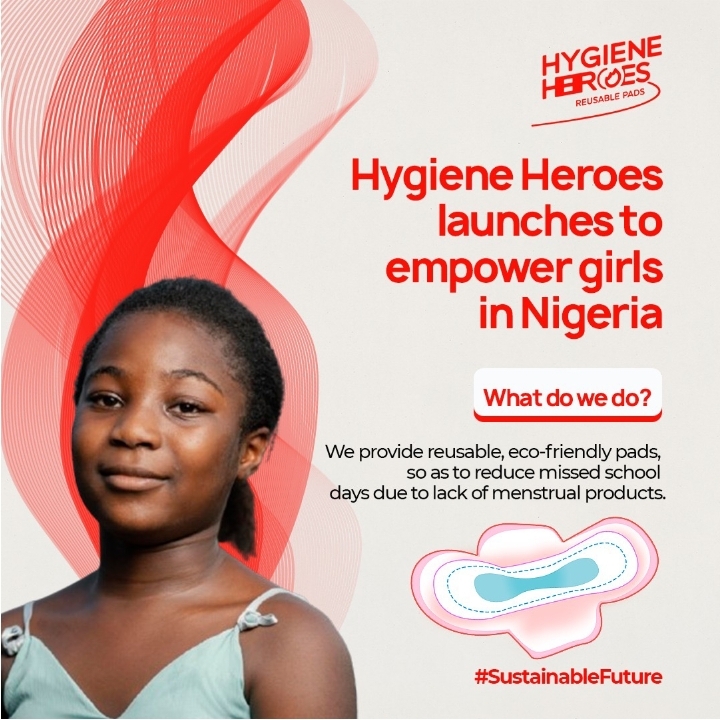
Hygiene Heroes recognizes that protecting women and girls in IDP camps requires integrated solutions. By providing menstrual hygiene support, health education, and referral pathways to licensed healthcare providers, we address both dignity and safety. When women have access to basic hygiene, information, and medical support, they are better positioned to protect themselves and seek help.
Ending GBV in displacement settings is not only a humanitarian imperative—it is a development priority. Safe, healthy women build resilient families and communities. Addressing menstrual dignity alongside protection services strengthens the foundation for recovery, justice, and long-term peace.