

Breast cancer remains the most common cancer among women worldwide, and Nigeria bears a disproportionate share of its burden in Africa. According to global health estimates, Nigeria records over 28,000 new breast cancer cases annually, yet mortality rates exceed 50%, far higher than in high-income countries. The primary reason is late detection.
In Nigeria, over 70% of breast cancer cases are diagnosed at advanced stages, when treatment options are limited, expensive, and less effective. Many women present only after the cancer has spread, often due to lack of awareness, fear of diagnosis, cultural stigma, or limited access to screening services especially in rural and underserved communities.
The tragedy is that breast cancer is highly survivable when detected early. When identified at Stage I, the five-year survival rate exceeds 90%. Simple, low-cost interventions such as breast self-examinations, clinical breast examinations, and timely referrals can dramatically reduce mortality. Yet awareness remains alarmingly low. Studies show that women who receive targeted breast health education are three times more likely to seek medical attention upon noticing unusual symptoms.
Breast cancer also has profound socioeconomic implications. Women in their most productive years are often affected, disrupting families, livelihoods, and community stability. The cost of late-stage treatment frequently pushes households into financial distress, reinforcing cycles of poverty.
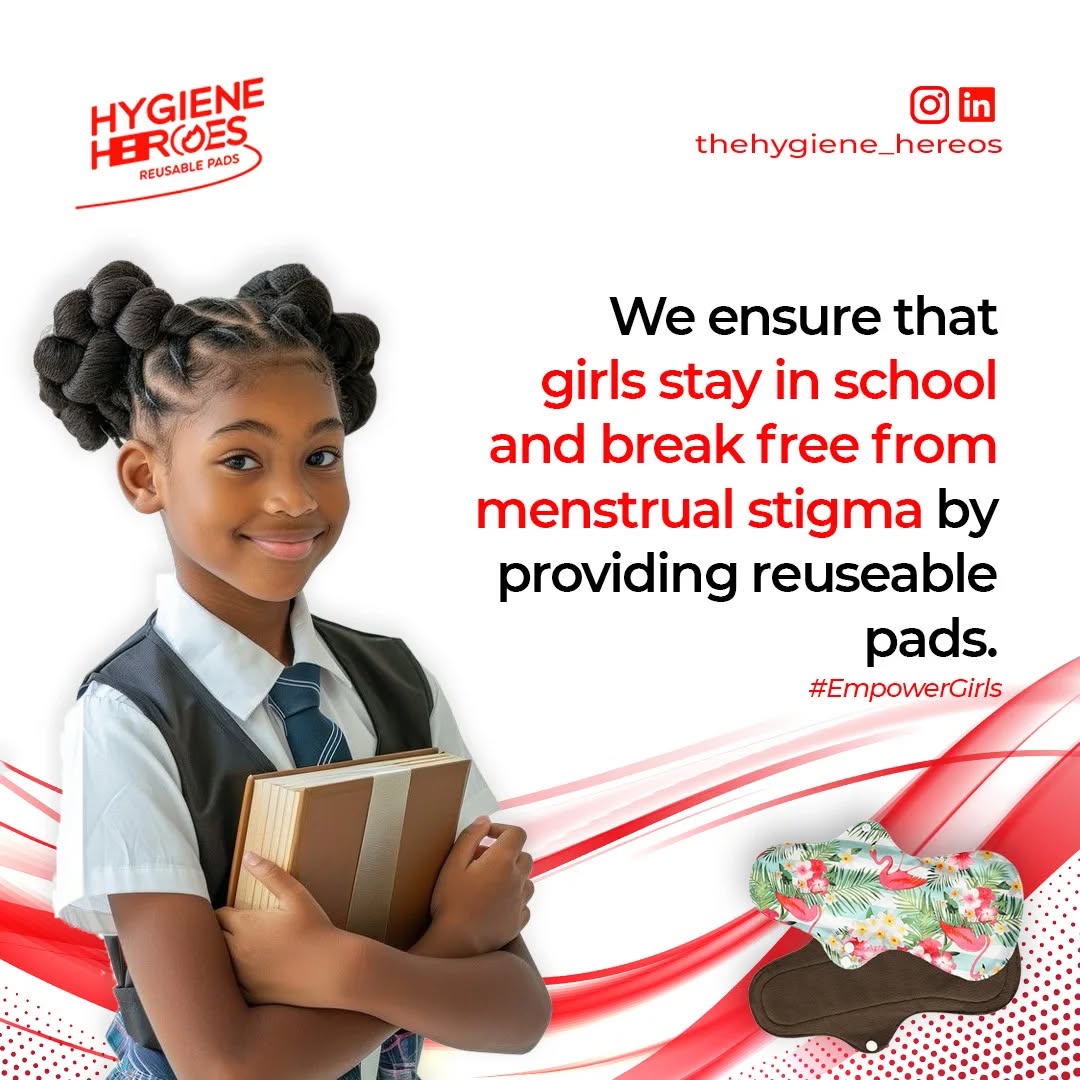
Hygiene Heroes integrates breast health awareness into its broader women’s health and digital health initiatives. Through community education, advocacy, and AI-powered systems that connect women to licensed doctors, we bridge the gap between awareness and action. Early information, trusted medical guidance, and timely referrals can mean the difference between life and death.
Breast cancer awareness is not just about campaigns—it is about access, trust, and continuity of care. By prioritizing early detection and education, Nigeria can significantly reduce preventable deaths. Empowered women make informed decisions, seek care early, and inspire healthier communities. Awareness saves lives—and every woman deserves that chance.