

Menstrual health remains one of the most overlooked public health and gender equity issues in Nigeria. Despite being a natural biological process, menstruation continues to limit education, productivity, and dignity for millions of girls and women. UNICEF estimates that 1 in 10 secondary school girls in Nigeria misses school during menstruation, primarily due to the high cost of sanitary products, stigma, and lack of adequate water and sanitation facilities. Over time, these missed school days accumulate, contributing to poor academic performance and increased dropout rates.
Disposable sanitary pads, while common, are not a sustainable solution. Economically, they remain out of reach for

many families. The average menstruating girl needs 10–20 disposable pads per month, an expense that competes with food, transportation, and school fees. Environmentally, disposable pads pose a long-term problem. Research shows that an average woman uses up to 16,000 pads in her lifetime, most of which contain plastic and chemical absorbents that take 500 to 800 years to decompose, clog drainage systems, and pollute landfills.
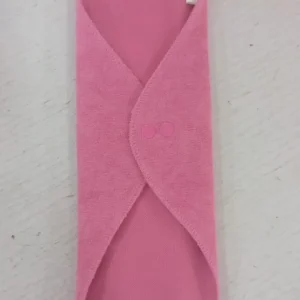
Reusable menstrual pads offer a practical, dignified, and environmentally responsible alternative. A well-made reusable pad can last up to two years, reducing menstrual product costs by as much as 80–90% over time. For low-income households, this difference is transformative. Beyond affordability, reusable pads significantly reduce waste, supporting climate action and sustainability goals.
However, products alone are not enough. Studies indicate that poor menstrual hygiene practices increase the risk of reproductive and urinary tract infections by up to 70% in low-resource settings. Menstrual hygiene education—covering proper usage, washing, drying, and storage—is essential to achieving real impact. When girls are informed and supported, menstruation no longer becomes a barrier to school attendance or self-confidence.
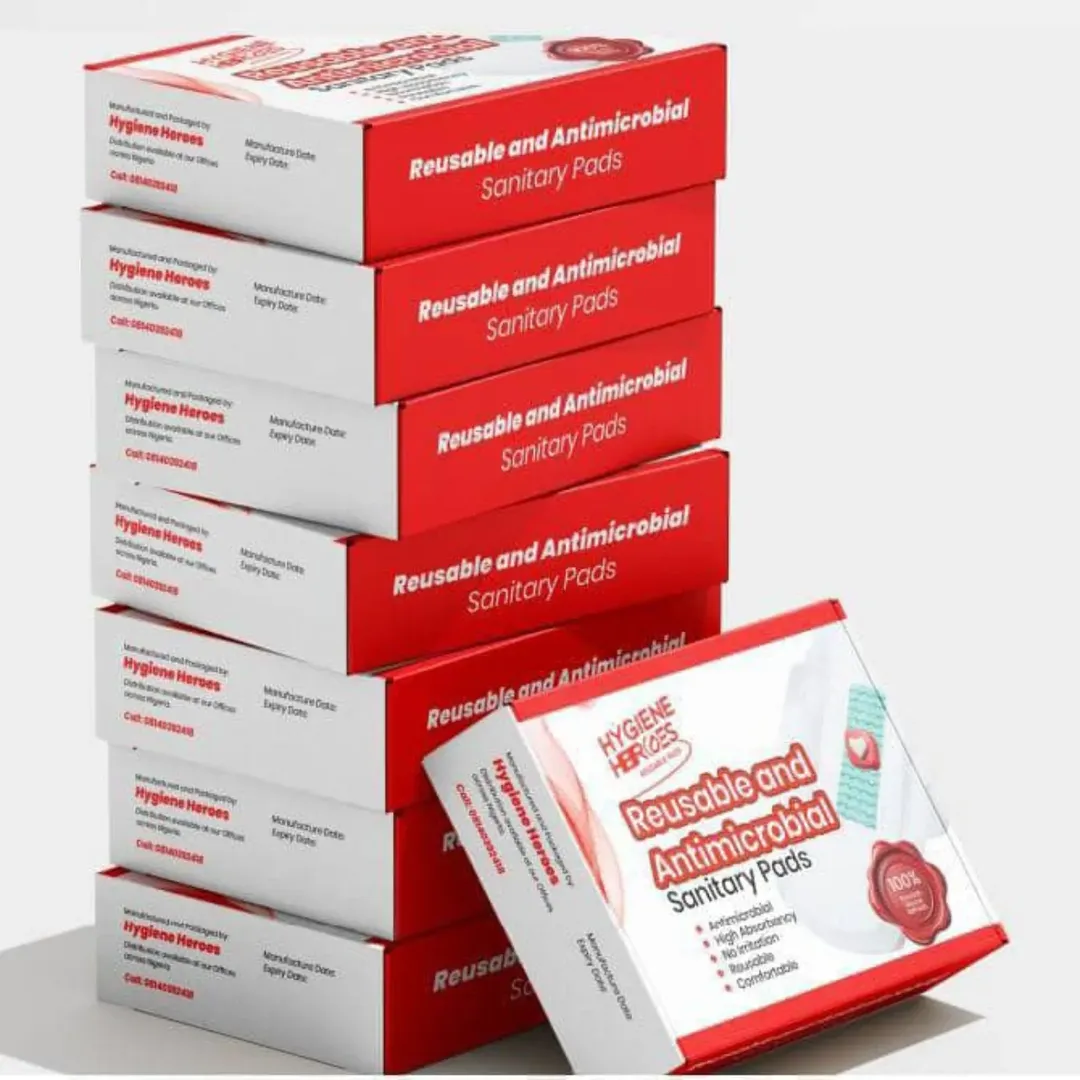
Hygiene Heroes adopts a holistic approach by combining high-quality reusable pads with structured menstrual health education. This model ensures not only access but also understanding, empowerment, and long-term behavioral change. Menstrual health is not charity. It is infrastructure for gender equality. By addressing menstruation with dignity, innovation, and sustainability, we invest directly in girls’ education, women’s health, and Nigeria’s future.